Introduction
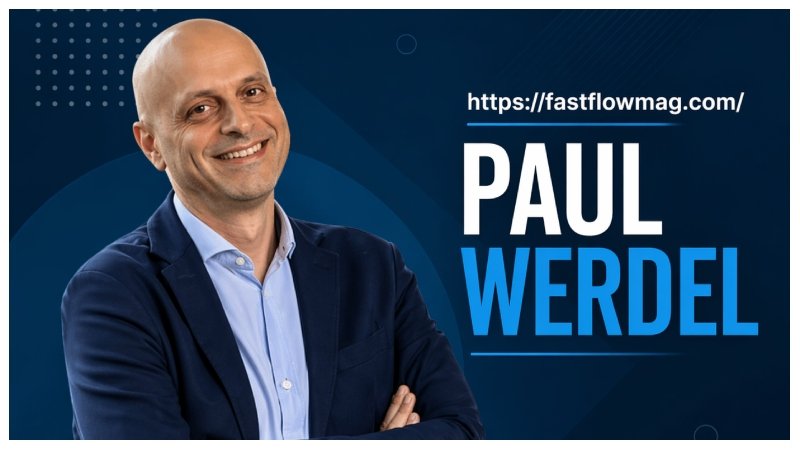
In today’s fast-moving digital media landscape, many professionals work behind the scenes to shape how news and information reach global audiences. One such name that often appears in search interest is Paul Werdel. Although he is not a mainstream public figure, his association with journalism and media organizations has created curiosity about his professional journey.
Therefore, this article provides a clear, updated, and well-structured overview of his background, career development, and role in the media industry.
Early Life and Background
To begin with, understanding any professional journey requires looking at early life influences. However, in the case of Paul Werdel, detailed public information about his childhood is limited.
Nevertheless, like many individuals in the media field, it is likely that he developed an early interest in communication, storytelling, and current affairs. Moreover, these interests often guide individuals toward journalism and digital media careers. As a result, such foundations become very important in shaping future professional paths.
Education and Academic Development
Next, education plays a key role in building a media career. Typically, professionals in this field pursue studies in journalism, communications, or related disciplines.
Although specific academic details are not widely available, his career path suggests a strong educational background. In addition, this type of education helps individuals develop essential skills such as writing, critical thinking, and media analysis.
Consequently, these abilities become crucial when working in fast-paced news and digital environments.
Career Start
Initially, like most media professionals, his career likely began with entry-level positions. For example, these roles may include assisting editors, researching news stories, or handling basic content tasks.
At this stage, professionals gain hands-on experience in how media organizations operate. Moreover, they learn how content is created, edited, and published. As a result, this early experience becomes the foundation for future growth.
Career Growth in Media
As experience increases, professionals gradually move into more advanced roles. Similarly, Paul Werdel career reflects steady growth within the media industry.
For instance, individuals in similar positions often transition into editorial planning, digital strategy, and content management roles. Furthermore, this progression highlights the importance of adaptability in a rapidly changing media environment.
Therefore, career development in this field depends heavily on continuous learning and improvement.
Professional Responsibilities
In modern media, responsibilities are diverse and constantly evolving. In fact, professionals often manage multiple tasks at the same time.
Editorial Work
First of all, editorial work ensures that content is accurate, clear, and high quality.
Digital Media Strategy
In addition, digital strategy involves understanding audience behavior, engagement patterns, and online distribution methods.
Content Development
Meanwhile, content creation remains a core responsibility, including articles, reports, and digital media formats.
Team Collaboration
Moreover, collaboration with writers, editors, and designers is essential for producing effective results.
Role in Journalism and Media Industry
Over the past decade, the media industry has changed significantly. For example, digital platforms have become the primary source of news consumption.
Therefore, professionals like Paul Werdel contribute to shaping editorial direction and digital content strategies. In addition, their work ensures that information is delivered efficiently and responsibly to audiences. As a result, their role becomes increasingly important in modern journalism.
Public Interest and Personal Life
While professional achievements attract attention, personal life details are usually kept private. However, this is quite common among media professionals.
In many cases, individuals prefer to maintain a clear boundary between work and personal life. Consequently, they can focus more on their professional responsibilities without unnecessary public exposure.
Reasons Behind Search Popularity
Interestingly, there are several reasons why people search for him online:
- Firstly, his association with journalism and media work
- Secondly, curiosity about behind-the-scenes media professionals
- Moreover, interest in editorial and digital roles
- Finally, growing awareness of media industry contributors
As a result, search interest continues to increase over time.
Career Overview Table
| Category | Details |
|---|---|
| Profession | Media Professional |
| Industry | Journalism & Digital Media |
| Work Focus | Editorial and content strategy |
| Skills | Writing, editing, digital tools |
| Public Visibility | Limited but professionally known |
This table provides a quick overview for better understanding.
Challenges in Media Industry
On the other hand, working in media comes with several challenges.
Fast-Paced Environment
Firstly, news cycles move quickly, so professionals must stay alert at all times.
High Competition
In addition, many platforms publish content daily, which increases competition.
Accuracy Pressure
Moreover, maintaining accuracy is extremely important for credibility.
Technological Changes
Finally, constant technological updates require continuous learning.
Despite these challenges, experienced professionals adapt and continue to grow.
Skills Required for Success
To succeed in media, a balanced skill set is necessary. Therefore, professionals must develop both technical and creative abilities.
For example:
- Strong writing and communication
- Research and analytical thinking
- Digital media knowledge
- SEO and content optimization
- Team coordination
As a result, these skills help professionals remain competitive in modern media environments.
Importance in Digital Media
Even though some professionals are not widely known to the public, their role remains very important. In fact, they help shape how information is structured and delivered.
Moreover, their work ensures accuracy and consistency in reporting. Therefore, their contribution has a direct impact on audience understanding of news and events.
Comparison of Media Roles
| Aspect | Traditional Media | Digital Media |
|---|---|---|
| Speed | Slower | Faster |
| Reach | Limited | Global |
| Interaction | One-way | Interactive |
| Tools | Basic | Advanced digital systems |
This comparison clearly shows how media roles have evolved over time.
Future Outlook
Looking ahead, the media industry will continue to evolve rapidly. For instance, artificial intelligence and automation are already changing content creation.
In addition, personalized content and digital-first strategies are becoming more common. Therefore, professionals must remain flexible and continuously upgrade their skills to stay relevant.
Frequently Asked Questions
Who is Paul Werdel?
He is a media professional involved in journalism and digital content roles.
Is he a public celebrity?
No, he is mainly known within professional media circles.
Why is he searched online?
Because of curiosity about his career and media industry involvement.
Conclusion
In conclusion, Paul Werdel represents a modern media professional who works behind the scenes to support journalism and digital content creation. Although he is not widely recognized publicly, his role remains important in shaping how information is delivered.
Therefore, as the media industry continues to evolve, professionals like him will remain essential for maintaining quality, accuracy, and structure in news and digital communication.
Visit Fastflowmag.com